Garden News
Garden News: Drought-Tolerant Perennials Gaining Popularity in 2025
There is a quiet reshuffle going on in borders this year. Where a stand of ligularia once held the damp corner, gardeners are reaching for lavender, salvia and perovskia instead. The reason is practical rather than fashionable. Dry spells keep arriving earlier and lasting longer, watering restrictions have become a routine part of summer rather than a rare nuisance, and few of us have the appetite for an evening spent dragging a hose. The result is a plant palette that looks good in heat, asks very little, and turns out to be far more interesting than the word "drought-tolerant" suggests.
Why dry-bed planting has moved to the front of the border
For years, low-water plants were parked in the awkward places: the strip against a south-facing wall, the gravelly corner where little else would grow. That has changed. Gardeners are now designing whole beds around them, and the logic holds up.
Watering takes time and money, and in many regions it is restricted exactly when plants need it most. Dry beds also suit the way people actually garden now. A border that survives a fortnight of neglect in July is worth more to most households than a collection of primulas that demands attention every evening.
There is an aesthetic argument too. Naturalistic planting, with grasses moving among self-supporting perennials, has taught a generation of gardeners to value airy shapes and late-season seedheads over tidy bedding. Those plants tend to be the tough ones anyway. Silver leaves, narrow foliage and deep root systems are all adaptations to heat, and they happen to look good together.
One correction worth making early: most so-called drought-tolerant perennials are killed by winter wet, not summer drought. Drainage matters more than rainfall. Get that right and the list of plants available to you roughly doubles.
The perennials doing the heavy lifting
These are the plants appearing again and again in dry-bed plans, and all of them earn their place:
- Lavender (Lavandula angustifolia): full sun, sharp drainage, and a light trim straight after flowering. Do not cut into old, leafless wood, because it rarely regrows.
- Salvia nemorosa: the workhorse of the dry border. Cut the first flush back as it fades and it flowers again into September. 'Caradonna' has the best stems.
- Perovskia (Russian sage): a haze of blue from midsummer, with silver stems that hold up through winter. Cut back hard in early spring.
- Echinacea: tolerant of heat and poor soil, and the cones feed goldfinches if you leave them standing.
- Achillea: flat flower heads in yellow, terracotta and white. Yarrow thrives on neglect and flops in rich soil, so do not spoil it.
- Nepeta (catmint): soft grey-green mounds that spill over path edges. Shear after the first flowering for a second and third round.
- Sedum (now Hylotelephium): late nectar for bees and bronze seedheads for the winter border. Excellent on a slope.
- Ornamental grasses: Stipa tenuissima for movement at the front, Calamagrostis and Molinia for height and structure behind.
Add penstemons where drainage is excellent, gaura for its waving wands of white or pink, and Verbena bonariensis if you can live with its seedlings. None of these needs feeding, and all of them prefer to be left alone.
Build the bed for dry roots, not dry leaves
Before buying a single plant, look at the soil. If water sits on the surface after heavy rain, no amount of lavender will save the planting. Raise the bed, plant on a slight mound, or dig in grit and coarse compost to open up a heavy soil. A slope of any kind is a gift.
Skip the rich planting hole. A generous dose of manure or compost makes drought-tolerant perennials grow soft and leggy, then flop in the first wind. Ordinary garden soil with good structure is what they want.
Then mulch with gravel rather than bark. A 5cm layer of pea gravel slows evaporation from the surface, keeps the crowns dry through winter, and reflects light up into the foliage. It also discourages the weeds that would otherwise compete for the little moisture there is. Keep mulch clear of plant crowns and avoid burying low-growing species.
Finally, match the planting to the conditions. Lavender and perovskia want the hottest, driest spot you have. Echinacea and salvias will take a slightly heavier soil. Putting a thirsty plant in the middle of a dry bed means you end up watering the whole bed for one plant's sake.
The first season is the exception
Even these plants need help while they establish. A common disappointment is a new dry border that fails in its first August because the gardener assumed "drought-tolerant" meant "no watering from day one".
- Plant in early autumn where you can. Warm soil plus autumn and winter rain gives roots a head start with almost no effort from you.
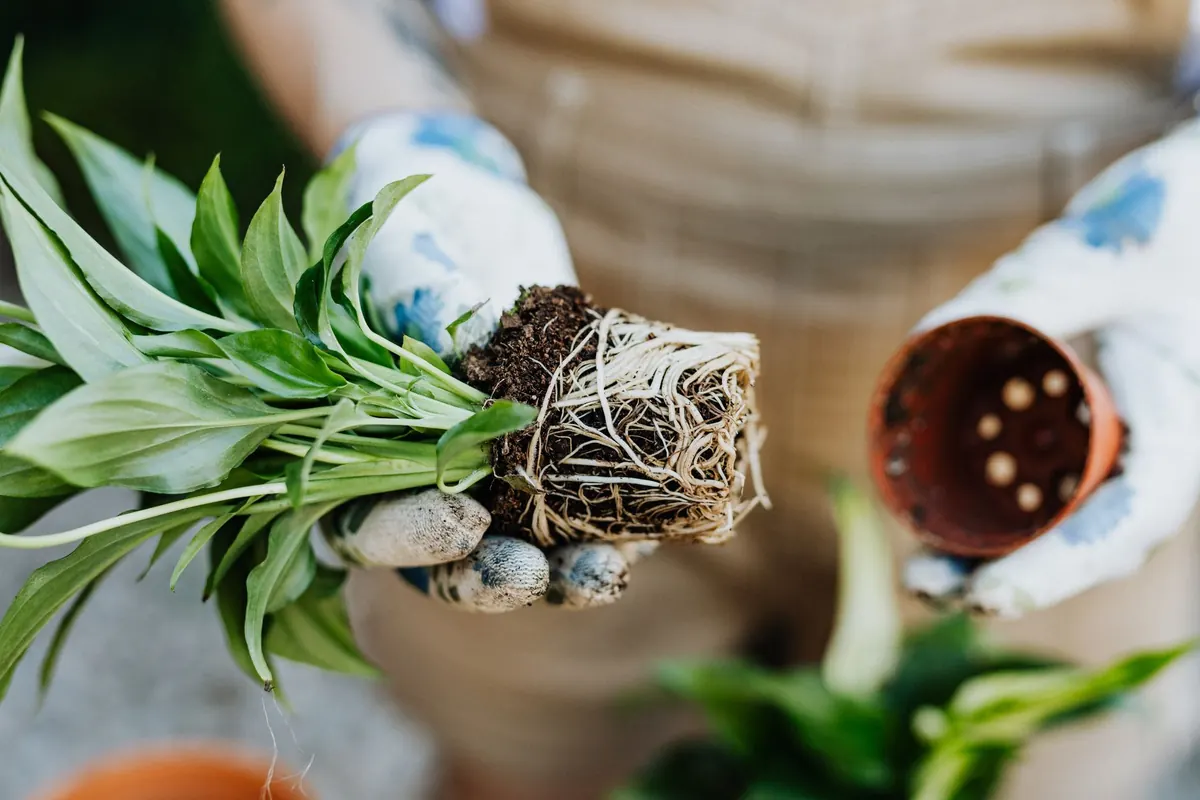
- Soak the rootball before planting, and water the new plant in properly to settle the soil around it.
- For the first summer, water deeply every seven to ten days in dry weather rather than a little every evening. Deep watering pushes roots down; light sprinkling keeps them at the surface, exactly where they are least useful.
- Stop feeding. High-nitrogen fertiliser produces soft growth that needs more water, not less.
- Keep the edges clear. Young plants lose the competition for water quickly.
By the second year most of the planting should be independent. Keep an eye on anything in a pot or against a warm wall, which dries out faster than open ground.
Making a dry border look generous rather than sparse
The usual failure with low-water planting is not plant choice but layout. Widely spaced specimens look like a plant sale waiting to be collected. Plant in drifts instead, with three, five or seven of the same plant, and repeat those drifts through the bed so the eye has something to follow.
Texture does more work than colour
A dry border built entirely from flat flower heads goes static by August. Mix upright spikes of salvia with the flat plates of achillea, the haze of perovskia and the fine movement of a grass. Silver and grey foliage, from lavender, stachys or artemisia, catches light and makes the whole planting look cooler than it is.
Leave the stems standing
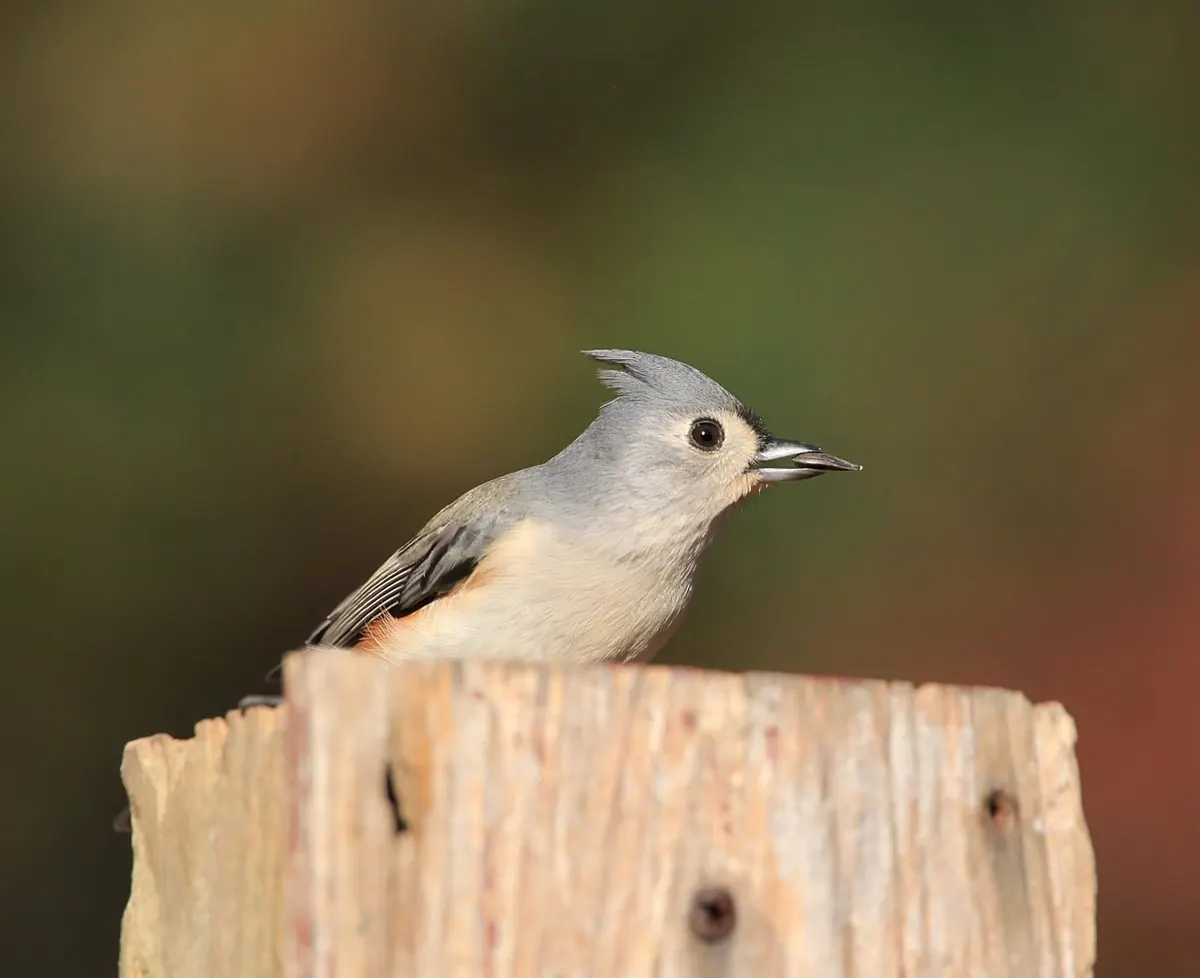
Resist the autumn tidy-up. Seedheads, grasses and the dark silhouettes of echinacea cones carry the border through winter, catch frost, and feed birds. Cut back in late February or March, just as new growth appears, leaving 10cm or so on anything woody.
Three mistakes worth avoiding
Planting into a hollow where winter rain gathers is the most common and the most fatal. Choosing spring for planting runs it close, since new plants then face heat with small root systems. And mixing a thirsty, moisture-loving plant into the dry bed out of sentiment usually means watering all summer for one display. Move it somewhere it belongs, or grow it in a pot.
Start with one bed this autumn
Pick the sunniest, best-drained strip you have. Improve the drainage if it needs it, choose three or four species from the list above and repeat them, plant in September or October, and top with gravel. Water through the first summer, then put the hose away and watch what happens. Most gardeners find the bed fills in faster than expected, and that the plants they thought of as tough turn out to be the most generous in the garden.
Photo: RichardMc / Pixabay
Related Articles